
Tesamorelin vs Sermorelin: Unveiling the Leading Growth Hormones

When discussing peptides, Tesamorelin and Sermorelin stand out for their respective impacts on stimulating growth hormone production. Recognized for their effectiveness, these peptides can influence aspects such as muscle performance, fat burning, and overall health. With many looking for the most effective growth hormone peptide to achieve specific health objectives, it is vital to comprehend the comparative distinctions they hold. This piece will examine the pivotal differences and overlapping features of Tesamorelin and Sermorelin while providing an in-depth look into their potential uses. In this comparison, one must evaluate key elements such as the way these peptides work, their safety concerns, and the existing research backing them. A variety of individuals pursue GH peptide evaluation to ensure they select the peptide that aligns perfectly with their goals. Both Tesamorelin and Sermorelin come with their unique benefits, necessitating thorough investigation for anyone contemplating the use of these peptides. Come along as we delve into the details and decide which peptide provides the optimal solution for enhancing growth hormone levels.

Article

Overview of Tesamorelin and Sermorelin

Both Tesamorelin and Sermorelin are crucial peptides that enhance the secretion of growth hormone through stimulation of the pituitary gland. Tesamorelin, originating from growth hormone-releasing hormone (GHRH), primarily focuses on boosting hormone levels in those facing challenges related to body composition or metabolic functioning. Conversely, Sermorelin, a modified form of GHRH, encourages growth hormone let out, though it may display variations in support intensity. Coming to grips with the distinctions between these two peptides fosters informed conversations about their possible utilities and customization based on needs.
Modes of Operation

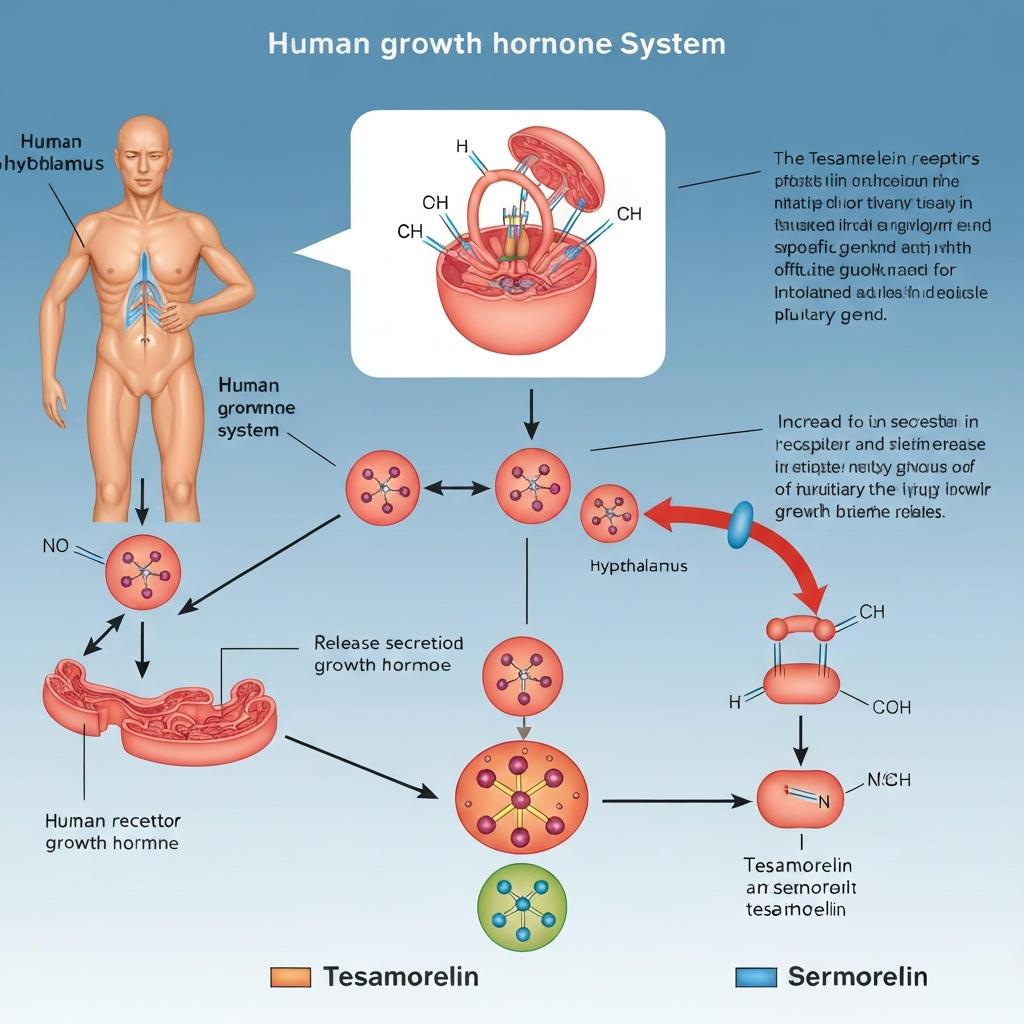
Tesamorelin and Sermorelin primarily excel at promoting the release of growth hormone from the pituitary gland. Notably, Tesamorelin's longer duration of action lends itself to more sustained hormone activity, possibly achieving higher growth hormone serum concentration in the long run. In contrast, Sermorelin leads to a swifter release of the hormone but may necessitate a more frequent injection schedule. Fully grasping these modes of action is essential for those investigating the top growth hormone peptide options for research.

Therapeutic Applications and Advantages

Clinically, Tesamorelin has shown effectiveness in decreasing visceral fat predominantly in patients suffering from HIV-related lipodystrophy, indicating its utility in adiposity management. Meanwhile, Sermorelin is often leveraged to assist children diagnosed with growth hormone deficiency, aiding healthy growth progression. Each peptide brings unique benefits tailored to varying patient profiles and treatment objectives, making a thorough GH peptide comparison crucial for determining the most fitting choice.

Frequently Asked Questions

Tesamorelin functions as a long-acting peptide that may facilitate more sustained growth hormone output, whereas Sermorelin acts more quickly and is a shorter peptide.

Tesamorelin has demonstrated notable effectiveness in reducing visceral fat, thus making it a favorable option for weight management.

Both peptides have undergone thorough testing for purity and reliability; however, they are designated solely for research applications.

At this time, there is insufficient research to ascertain the safety or benefits of simultaneously using these two peptides.

Some side effects may involve injection site reactions, headaches, or fluctuations in blood sugar levels.